Important Haiti Travel Advisory — Updated July 22, 2026
The U.S. Department of State currently lists Haiti at Level 4: Do Not Travel because of crime, kidnapping, terrorism, civil unrest, and limited access to health care. Haiti has also remained under a national state of emergency since March 2024. Canada advises travelers to avoid all travel.
Royal Caribbean has suspended visits to Labadee for the remainder of 2026. Cruise schedules and local conditions may change without notice.
This guide explores Haiti’s history, culture, beaches, and natural landmarks for future travel planning. It is not a recommendation to visit while the Level 4 advisory remains in effect. Always review current government guidance and transportation updates before making reservations.
Official updates: U.S. Department of State | Government of Canada | Royal Caribbean travel updates
Haiti shares the island of Hispaniola with the Dominican Republic. High green peaks rise above blue bays, waterfalls, and also a wild Caribbean coast. Yet the land tells only part of the story. In 1804, enslaved people defeated French rule and formed a free nation. It became the world’s first Black republic.
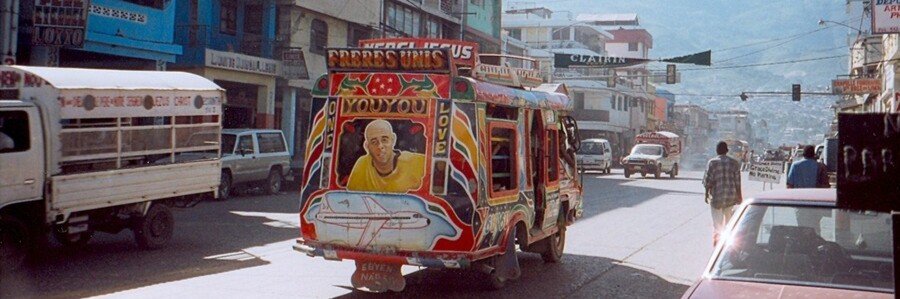
That bold spirit still shapes daily life. Bright tap-tap buses fill the streets, while kompa music spills from bars and dance halls. Local cooks serve griot, pikliz, and soup joumou. Artists turn paint, beads, wood, and scrap metal into vivid works. From the great hilltop fort near Cap Haïtien to the old streets of Jacmel, this guide explores the places, food, and customs that make the country unique.
Planning a wider Caribbean trip? Explore my Greater Antilles Travel Guide for more beaches, islands, and cultural destinations across the region.
Jump to: Interactive Map • When to Visit • Why Visit • The Beaches • Best Tours & Activities • Hidden Gems • Luxury Beachfront Stays • Local Food • Outdoor Parks • Getting Around • Tips • FAQs
Haiti Weather & Best Time to Visit
Warm weather lasts all year, but rain and heat change with the season. Coastal areas are often hot and humid, while the highlands stay cooler. Rain can also vary from one region to another because mountains shape local weather.
For future travel, December through March usually brings the easiest conditions. Days are warm, rain is less common, and humidity is lower. However, the current travel advisory should guide any decision to visit.
Weather at a Glance
Best Weather: December through March
Warmest Months: June through September
Main Rainy Seasons: April through June and August through mid-November
Atlantic Hurricane Season: June 1 through November 30
Highest Storm Risk: August through October
December Through March
This is normally the driest part of the year. Coastal days remain warm, while nights can feel cooler in the mountains. Lower humidity also makes it better for exploring outdoor sites. These months offer the best weather for beaches, historic landmarks, waterfalls, and long drives. Even so, brief showers can occur, especially along the north coast.
April Through June
The first main rainy season begins in April. May and June often bring heavier showers, high humidity, and cloudy afternoons. Rain may fall quickly and then clear, but longer storms are also possible. Heavy rain can cause floods, mudslides, and poor road conditions. So, travel between towns may take longer than expected.
July and August
Summer brings hot days and warm sea temperatures. Some areas receive a short break from heavy rain during July. Still, the air remains humid, and afternoon storms can develop. Hurricane season is already underway by this point. So, weather forecasts become more important for coastal plans.
September Through November
This period brings the greatest chance of tropical storms and hurricanes. September and October are usually the most active months. Heavy rain can also affect roads, flights, ferries, and access to rural areas. Conditions often begin to improve during November. However, the official hurricane season continues through the end of the month.
Regional Weather Differences
Weather can feel very different across the country. The north coast often receives more rain than sheltered southern areas. Mountain towns are cooler, especially at night, while low coastal cities stay warm and humid.
Always check the forecast for the exact area you plan to visit. A sunny morning on the coast does not mean mountain roads or inland towns will have the same conditions.
Why Visit Haiti
For future travel, the country offers far more than a warm coast. Its forts, art, music, food, and mountain towns tell a story unlike any other in the Caribbean. You can trace the fight for freedom, meet skilled artists, taste bold Creole dishes, and see a landscape filled with sharp peaks and hidden bays.
History You Can See
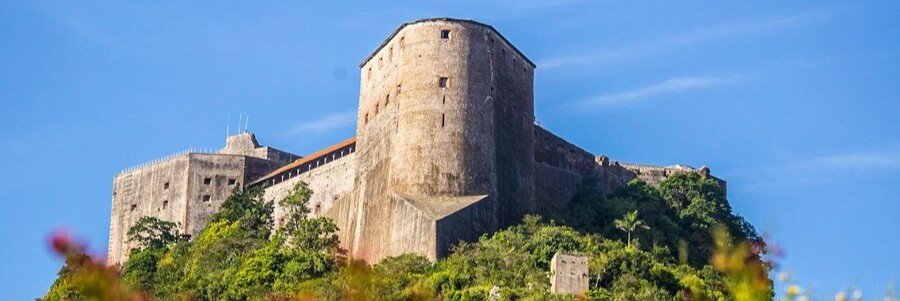
The past feels close at National History Park in the north. Citadelle Laferrière stands high above the plains, while the ruins of Sans-Souci Palace sit below it. Both sites date to the years after freedom from French rule. Together with Ramiers, they form a UNESCO World Heritage Site.
Bold Art and Handmade Crafts
Artists use bright paint, beads, wood, clay, and scrap metal to create vivid works. In Croix-des-Bouquets, metalworkers cut old steel drums into detailed wall art. Painted masks, paper crafts, and a colorful Carnival give Jacmel its creative spirit. UNESCO also named it a Creative City of Crafts and Folk Art.
Mountains, Waterfalls, and Wild Shores
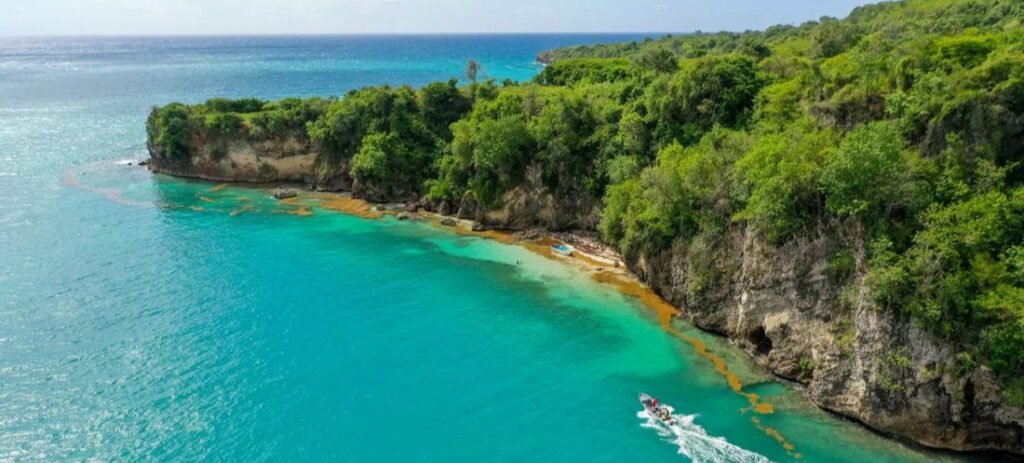
High peaks cover much of the land, so road trips often come with wide sea views. Near Jacmel, Bassin Bleu hides a set of blue pools and waterfalls among the hills. The coast adds quiet coves, coral reefs, small islands, and long bands of clear water.
Food With a Story
Local meals mix African, French, Taíno, and Caribbean roots. Griot pairs crisp pork with spicy pikliz, while diri kole combines rice and beans in one filling dish. Soup joumou has even deeper meaning. Once denied to enslaved people, it became a symbol of freedom after independence.
Music That Brings People Together
Kompa blends steady dance beats with guitar, brass, and drums. Rara music fills the streets during Lent with horns, bamboo pipes, and hand-played rhythms. Music is not simply evening entertainment here. It carries faith, history, protest, and joy from one generation to the next.
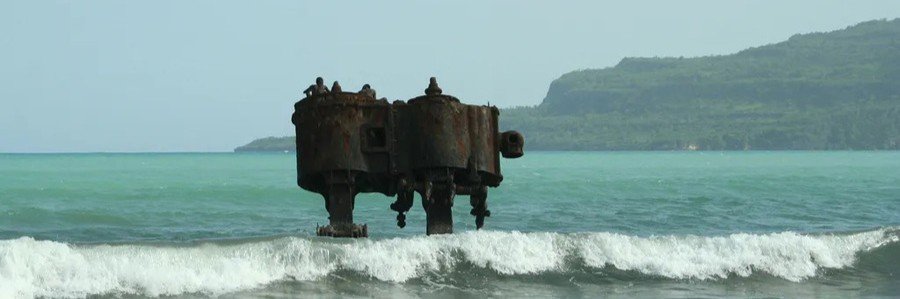
Best Haiti Beaches
The coast includes white-sand islands, lively local beaches, quiet fishing bays, and long resort areas. Some beaches have restaurants and chairs, while others require a boat and have no facilities at all.
Keep these beaches in mind for future travel. Roads, boats, resorts, and public access may change during the current crisis. Do not rely on older travel times or arrange a visit while the Level 4 advisory remains active.
Abaka Bay, Île-à-Vache
Abaka Bay sits on Île-à-Vache, a green island off the southern coast near Les Cayes. Pale sand curves around calm Caribbean water, while low hills shelter the bay. The gentle water suits swimming and kayaking when conditions are good.
The island is reached only by boat. Trips have often taken about 30 minutes from Les Cayes, but service and departure points must be checked locally. Facilities are tied mainly to nearby lodging, so confirm access before making plans.
Île-à-Rat, or Amiga Island
This tiny coral island lies off the northern coast near Cap-Haïtien. White sand, clear water, and a patch of wild trees cover its small surface. The reef and rocky edges also add interest for snorkeling.
There are no regular public facilities on the island. Visitors must arrive by boat and bring water, food, sun protection, and everything else they need. Boat service should be confirmed through a trusted local operator.
Côte des Arcadins
Rather than one beach, this is a long band of coast near Montrouis. Palm-lined sand, mountain views, mangroves, and offshore reefs create several very different settings. Some sections belong to hotels, while others remain less developed.
Diving and snorkeling have long drawn visitors to the reefs around the Arcadins islets. However, beach access and facilities vary by property. Confirm whether a resort offers day passes before arriving.
Pointe Sable, Port-Salut
Pointe Sable stretches along the southern coast near Port-Salut. Golden sand, coconut palms, and small beach bars give it a more local feel than a large resort beach. Its long shoreline also leaves room for walking.
The beach lies about 30 kilometers west of Les Cayes. Cascade Touyac and Grotte Marie Jeanne are also found in the wider region. Road conditions and travel times should be checked before any future visit.
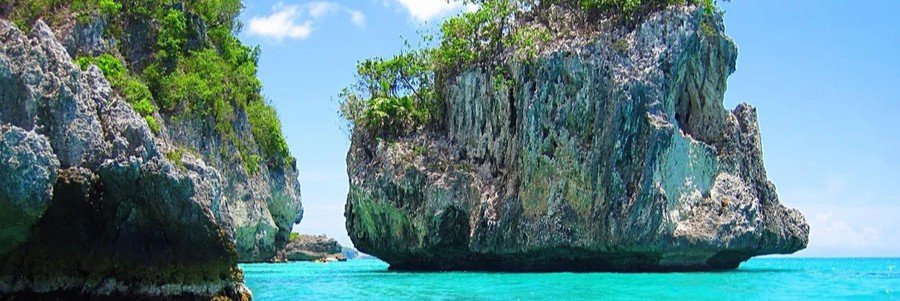
Kokoye Beach
Kokoye is a remote cove known for pale sand, clear water, and green hills. Its isolated setting is a large part of its appeal. It is better suited to a planned boat outing than a quick roadside stop.
The beach has traditionally been reached by boat from the Petit-Goâve area. Services are limited, and visitors should not expect shops, reliable transport, or full beach facilities. Only use a trusted local guide once travel becomes safe again.
Labadee
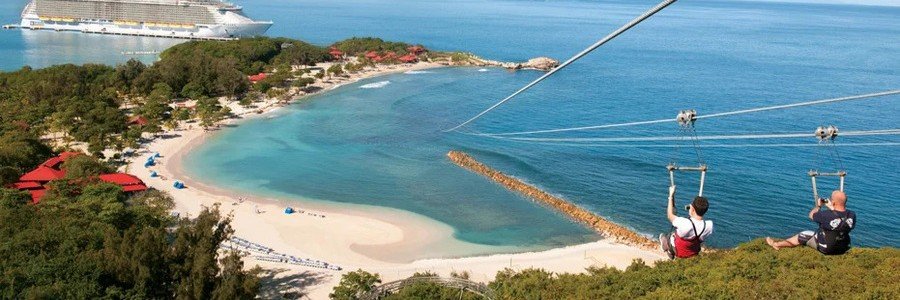
Labadee is a private cruise destination on the north coast. Its protected bays contain several beaches, along with chairs, food service, water activities, and a zipline over the sea. Access is reserved for guests arriving on approved cruise calls.
Royal Caribbean has suspended ship visits because of current safety conditions. The latest suspension extends through June 2027, so travelers should not book a cruise solely for this stop without checking the final itinerary.
Cormier Beach
Green hills rise behind this sandy beach near Cap-Haïtien. The water is often calmer than at exposed Atlantic beaches, and the setting feels more enclosed. Boats may also depart from the wider area for small offshore beaches.
Much of the access has been linked to Cormier Plage Resort. Confirm that the property is operating and whether day visitors are accepted. Older guides place the beach about 20 minutes from central Cap-Haïtien, but present travel times may differ.
Gelée Beach
Gelée offers a long, flat shoreline near Les Cayes. It is known less for resort polish and more for local meals, music, and gatherings by the sea. Restaurants near the beach have traditionally served grilled fish, conch, lobster, and southern dishes such as tonmtonm.
The beach is roughly 20 minutes from central Les Cayes under normal conditions. August celebrations can bring larger crowds, so a quiet beach day and a festival visit provide very different experiences.
Raymond les Bains
Raymond les Bains lies east of Jacmel near Cayes-Jacmel. A shallow coastal shelf can create pleasant swimming conditions on calm days. Small restaurants are known for grilled fish, cold drinks, coconuts, and simple meals near the sand.
Weekends have often been louder and more social, while weekdays may feel quieter. The beach is about 15 kilometers east of Jacmel, but current road access and local conditions must be verified.
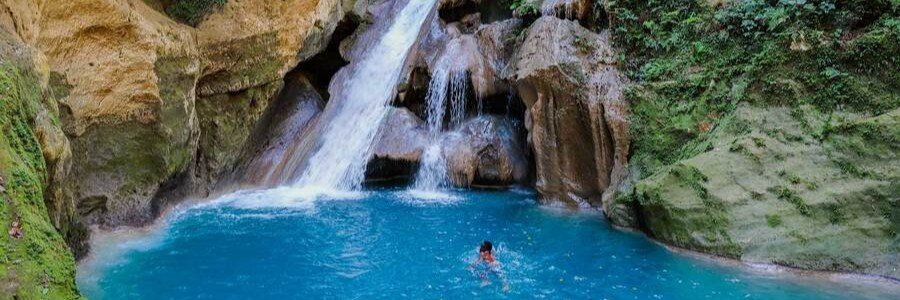
Scenic Spots & Natural Gems
High mountains cover much of the country, with rivers cutting through deep valleys on their way to the sea. Beyond the beaches, you’ll find blue pools, powerful waterfalls, vast caves, and cool forests filled with rare plants and birds. Many sites are remote, so a local guide and suitable transport are often needed.
Bassin Bleu
Four blue pools flow through a green valley about 12 miles west of Jacmel. Small waterfalls connect Bassin Cheval, Bassin Yes, Bassin Palmiste, and the deep Bassin Clair. Rock walls and thick plants shelter the water from the surrounding hills.
The first pools are easier to reach, while the route to Bassin Clair involves narrow steps and a short rope-assisted descent. Hire an experienced guide, wear sturdy water shoes, and avoid visiting after heavy rain.
Saut Mathurine
The Cavaillon River drops nearly 90 feet into a wide natural pool near Camp-Perrin. A forest surrounds the falls, while rocks along the river provide several places to view the rushing water.
The cascade is strongest during the rainy months. During drier periods, the gentler flow can make the pool easier to enjoy. Roads in this area can be rough, so confirm local access before leaving Les Cayes.
Grotte Marie Jeanne
This vast cave system lies beneath a hill near Port-à-Piment. More than four miles of known passages lead through dozens of chambers filled with stalactites, stalagmites, and unusual stone shapes.
Some rooms are large and open, while others require careful climbing through narrow spaces. A local guide is essential because the paths are not marked and several levels extend deep underground. Bring closed shoes, water, and a dependable flashlight.
Macaya National Park
Cloud forest covers the steep slopes around Pic Macaya, one of the country’s highest peaks. Ferns, orchids, moss, and tall trees thrive in the cool, damp air. The park also protects rare birds, frogs, and plants found only on Hispaniola.
Reaching the park takes time. Mountain roads are difficult, and longer hikes require a skilled guide, food, water, and proper gear. The remote setting makes this better suited to experienced hikers than casual sightseers.
Forêt des Pins and La Selle National Park
Pine trees replace palms along the high ridges near the border with the Dominican Republic. Cool air, mountain trails, and wide views make the landscape feel far removed from the Caribbean coast.
Nearby Pic La Selle rises to about 8,800 feet and is the highest point in the country. Hikes range from walks through the forest to demanding climbs. Weather changes quickly at this height, so bring warm layers and travel with someone who knows the trails.
Bassin Zim
A broad waterfall pours into a clear pool near Hinche in the Central Plateau. Paths beside the water also lead to caves filled with rock formations and ancient Taíno carvings.
The final road can be rough, but the walk from the parking area is fairly short. Hire a guide to find the petroglyphs and avoid unsafe sections inside the caves.
Dondon Grottoes
A network of at least ten caves lies in the mountains south of Cap-Haïtien. The grottoes contain deep chambers, narrow passages, and signs of the Taíno people who lived in this region before European settlement.
Dondon is also close to rivers, waterfalls, and the historic sites around Milot. The roads become rough in places, and the caves have no formal visitor route. Arrange a guide locally and bring your own food, water, and lighting.
Best Haiti Tours & Cultural Experiences
Guided tours provide local knowledge and transport to places that can be difficult to reach alone. Options range from waterfall swims and forest walks to historic forts and private trips across several regions. These experiences are included for future planning, so confirm that the operator, route, and pickup location are active before booking.
Waterfalls & Nature Tours
Bassin Bleu Waterfall Adventure from Jacmel | 6 HoursTravel into the hills outside Jacmel to explore the blue pools and limestone waterfalls of Bassin Bleu. The trip includes time to swim, jump into the water, and slide across smooth rock formations. Round-trip hotel transport is provided.
Book with Viator┃TripAdvisor
Wynne Farm Ecological Reserve Tour | 2 Hours
Walk through pine forest and farmland at this ecological reserve near Kenscoff. A guide explains the farm’s conservation work, native plants, and efforts to protect one of the country’s remaining forested areas.
Book with TripAdvisor
History & City Tours
Citadelle Laferrière and Sans-Souci Palace Tour | 5 Hours
Explore two landmarks within the UNESCO-listed National History Park. A guide shares the story of Sans-Souci Palace and the massive hilltop fortress built after independence. The tour may include a horseback ride, lunch, and live local entertainment.
Book with Viator┃TripAdvisor
Private Port-au-Prince History and Culture Tour | 6 Hours
Visit museums, markets, historic sites, and neighborhoods across the capital with a private guide. Stops may include the National Pantheon Museum, local craft shops, and a hilltop viewpoint overlooking the city and Caribbean Sea.
Book with Viator
Multi-Day Cultural Tours
Port-au-Prince, Kenscoff and Jacmel Tour | 6 Days
Combine the capital’s museums and markets with the mountain scenery around Kenscoff and the art, architecture, and waterfalls of Jacmel. The package includes five nights of lodging, meals, local transport, and a visit to Bassin Bleu.
Book with TripAdvisor
Port-au-Prince, Côte des Arcadins and La Gonâve | 3 Days
This private journey combines city history with time along the Côte des Arcadins and a boat trip to La Gonâve. Museum visits, coastal scenery, private guides, and yacht transportation are included in the itinerary.
Book with TripAdvisor
Best Places to Stay in Haiti
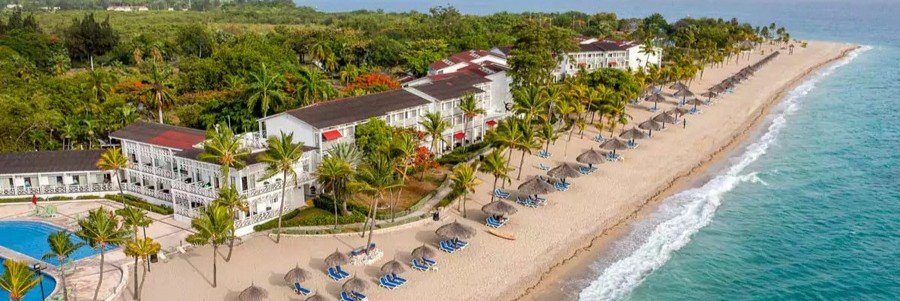
Hotels range from small historic inns to beachfront resorts and modern city properties. The best location depends on what you hope to explore. Cap-Haïtien works well for northern history, while Jacmel provides access to art, beaches, and Bassin Bleu. The Côte des Arcadins is better suited to a resort stay.
Hotel operations and transportation can change quickly. Confirm that the property is open and reachable before making any future reservation.
Allamanda Hotel ⭐⭐⭐½ | 9.2/10
This intimate Pétion-Ville hotel has only 16 rooms, giving it a quieter feel than the capital’s larger properties. Rooms include air conditioning and free Wi-Fi, while the garden and terrace provide space to sit outdoors.
A restaurant, café, bar, fitness room, and complimentary breakfast are available on-site. Airport transportation can also be arranged. Guests especially praise the attentive staff, spotless rooms, generous breakfast, and personal service created by the hotel’s small size.
Hotel Inoubliable ⭐⭐⭐ | 8.8/10
Located across from the beach in Cayes-Jacmel, this small hotel works well for travelers who want easy access to the coast. Many rooms have balconies, while connecting rooms provide additional space for families.
The property includes an outdoor pool, poolside bar, restaurant, garden, and terrace. Continental breakfast and parking are also included. Raymond les Bains and the beaches around Kabic are nearby. Guests especially appreciate the beachfront location, welcoming staff, ocean views, and easy transition between the pool and sand.
Satama Hotel ⭐⭐⭐⭐ | 8.4/10
A hilltop position gives this modern hotel some of the widest views across Cap-Haïtien and its bay. Its 60 rooms have private balconies, with select options facing the water or city.
Guests can use the outdoor pool, restaurant, bar, terrace, and garden. The elevated setting feels removed from the busy center, although you will need transportation to reach Place d’Armes, the cathedral, and other local sights. Guests love the sweeping bay views, furnished balconies, modern rooms, and peaceful pool overlooking the city.
Hotel Florita ⭐⭐⭐ | 8.4/10
Built in 1888, this restored Jacmel mansion offers more history than a standard hotel. Brick walls, wooden galleries, old tiles, antique furniture, and an open courtyard preserve the character of the original home.
Rooms vary in size and layout because they occupy former kitchens, storage areas, and living quarters. The property also has a restaurant, bar, garden, and spa services. Its central location places galleries, shops, historic streets, and the waterfront within a short walk. Guests return for the building’s historic character, leafy courtyard, live music, rum cocktails, and central location within Jacmel’s art district.
Cormier Plage Resort ⭐⭐⭐ | 8.2/10
This northern resort sits directly on a sandy beach outside Cap-Haïtien. Rooms open toward tropical gardens or the sea, while lounge chairs and shaded areas make it easy to spend most of the day beside the water.
Breakfast, a restaurant, bar, airport transportation, and beach access are included among its main services. The location also provides a coastal base for visiting Cap-Haïtien, Milot, Sans-Souci Palace, and Citadelle Laferrière. Guests praise the quiet beach, helpful staff, fresh meals, and convenient base for exploring the historic north.
Royal Decameron Indigo Beach Resort ⭐⭐⭐½ | 8.2/10
Set along the Côte des Arcadins, this large all-inclusive resort offers a different experience from the country’s smaller hotels. The property spreads across a long beach with pools, gardens, restaurants, and bars.
Meals and drinks are included, along with access to activities such as kayaking, sailing, and windsurfing. It is the strongest choice for travelers who want most services and recreation available without leaving the resort grounds. Guests enjoy the long beachfront, large pools, included meals and drinks, and wide choice of water activities.
Local Flavors of Haiti
Haitian cooking builds deep flavor with epis, a blend of herbs, garlic, peppers, citrus, and spices. Pork, goat, seafood, rice, beans, plantains, and root vegetables appear across the country. Recipes vary by family and region, so the same dish may taste different at every stop.
Must-Try Haitian Foods
Griot with Pikliz
Pork is marinated with sour orange, lime, garlic, and epis before being cooked until tender and fried until crisp. It usually comes with pressed plantains and pikliz, a sharp mixture of cabbage, carrots, peppers, and vinegar. The rich pork and spicy pickles are meant to be eaten together.
Soup Joumou
This hearty soup combines squash, beef, plantains, potatoes, vegetables, pasta, and warm spices. Once forbidden to enslaved Haitians, it became a symbol of freedom after independence. Families still prepare it on January 1, and UNESCO added the tradition to its cultural heritage list in 2021.
Diri ak Djon Djon
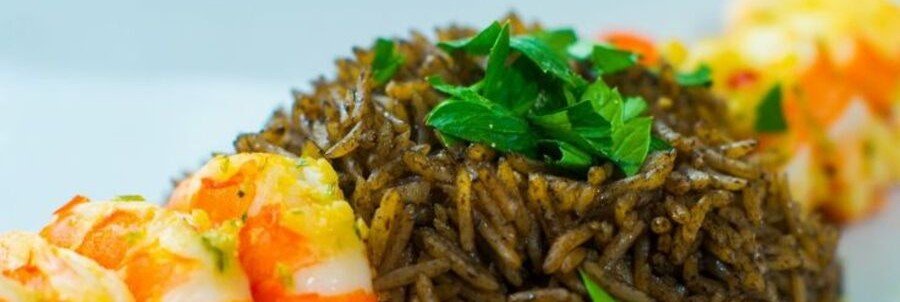
Black mushrooms give this northern rice dish its dark color and earthy flavor. Cooks simmer the mushrooms to create a rich broth, then add rice, garlic, herbs, and spices. Shrimp, crab, lima beans, or green peas may also appear in the dish.
Tassot Kabrit
Strips of goat are seasoned, dried, and fried until the edges become crisp. The meat often arrives with fried plantains, rice, and pikliz. A squeeze of lime helps balance its salty, savory flavor.
Lambi Creole
Fresh conch is slowly cooked until tender in a sauce made with tomatoes, onions, peppers, garlic, and herbs. Some coastal restaurants grill it instead or add it to rice and seafood platters. Preparation takes time because poorly cooked conch can become tough.
Signature Haitian Drinks
Rhum Barbancourt
This well-known rum is distilled from sugarcane juice and aged in oak barrels. Different versions range from light rum suited to cocktails to older bottles made for sipping. Try it neat or in a simple drink with lime and cane syrup.
Clairin
Clairin is a strong cane spirit traditionally produced by small rural distilleries. Makers often use local sugarcane, natural fermentation, and small pot stills. Each village produces a slightly different flavor, ranging from grassy and fruity to earthy and smoky.
Kremas
This sweet holiday drink blends coconut milk, condensed milk, rum, vanilla, cinnamon, and nutmeg. It has a thick, creamy texture and is usually served in a small glass. Family recipes may add lime zest, almond, or anise.
Akasan
Akasan is a thick, alcohol-free drink made from corn flour, milk, vanilla, cinnamon, and sugar. It may be served warm at breakfast or chilled during the afternoon. Its smooth texture makes it feel closer to a light custard than juice.
Prestige Beer
First brewed in 1976, this pale lager has a light body and clean finish suited to warm weather. It is commonly served very cold with griot, fried fish, or spicy pikliz.
Best Restaurants in Haiti
Restaurant hours and menus can change. Always confirm that a location is operating before making plans.
Lakay Restaurant
This longtime Cap-Haïtien favorite serves Haitian dishes, seafood, pizza, and tropical drinks beside the waterfront. The broad menu works well for groups who want both local food and familiar choices. Try the griot with plantains or ask about the fresh fish of the day.
Boukanye
Set along the boulevard in Cap-Haïtien, this waterfront restaurant combines grilled food with music, drinks, and a lively evening atmosphere. Haitian dishes share the menu with pizza and international favorites. The fish served with Grand Marnier sauce is one of its most distinctive choices.
Hotel Cyvadier Restaurant
An open dining room overlooks Cyvadier Bay outside Jacmel. The kitchen focuses on freshly prepared seafood, with poultry and vegetarian dishes also available. Order the grilled catch or Creole seafood and allow time to enjoy the ocean view.
Hotel Florita Bar & Restaurant
Historic brick walls, old tiles, and an open courtyard give this Jacmel restaurant a setting unlike a modern dining room. The menu features Haitian food, local coffee, and cocktails made with Barbancourt rum. Ask about the Creole special or fresh seafood available that day.
Les Jardins du MUPANAH
Located at the National Pantheon Museum in Port-au-Prince, this garden restaurant pairs Haitian cooking with one of the capital’s most important museums. Dishes may include accra, lambi Creole, grilled goat, seafood, and fried plantains. It is a practical lunch stop when visiting the museum and nearby historic sites.
Outdoor Activities & Parks
Mountains, rivers, reefs, and forests create many ways to spend time outdoors. You can hike through pine trees, watch rare birds, snorkel above coral, or paddle beside a quiet coast. Many areas have few marked trails or visitor services, so arrange a local guide and equipment before leaving.
Hiking in La Visite National Park
This high mountain park lies between the hills above Port-au-Prince and the southern coast. One of its main routes climbs from Furcy through pine forest before reaching the village of Seguin. The path is steep and can become muddy after rain. Cooler air makes the climb more comfortable, but clouds and fog can arrive quickly. Experienced hikers may continue toward Jacmel with a guide instead of returning to Furcy.
Nature Walks at Wynne Farm
Wynne Farm Ecological Reserve covers 30 acres in the mountains near Kenscoff. Its location at about 6,000 feet brings cool air, pine trees, gardens, and wide views across the surrounding hills. Guided walks explain local plants, farming methods, beekeeping, and forest care. The shorter paths make this easier to explore than the country’s remote national parks.
Birdwatching
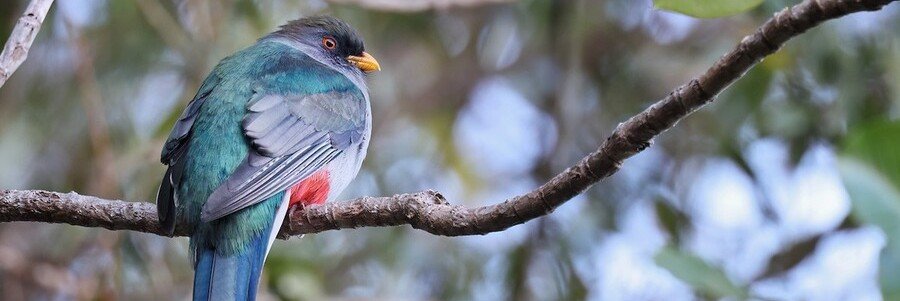
The mountain forests shelter birds found only on Hispaniola. The Hispaniolan trogon, La Selle thrush, palmchat, and several types of hummingbird may appear among the trees. La Visite National Park, Macaya National Park, Wynne Farm, and Forêt des Pins are among the strongest birding areas. Bring binoculars and begin early, when the forest is cooler and birds are more active. A local birding guide can help identify calls that are easy to miss.
Snorkeling and Diving
Coral reefs, rocky coves, and clear shallows line parts of the coast. Île-à-Rat, Île-à-Vache, the Côte des Arcadins, and the reefs near Jacmel have traditionally offered good snorkeling. The Three Bays Protected Area in the northeast also protects coral reefs, seagrass beds, and mangrove habitat. Tour services are limited in many areas, so confirm boat transport, equipment, and sea conditions before setting out.
Kayaking and Coastal Boat Trips
Small boats provide access to islands and coves that cannot be reached by road. Possible routes include Île-à-Vache from Les Cayes, Île-à-Rat from the Cap-Haïtien coast, and La Gonâve from the Côte des Arcadins. Kayaks may also be available near selected beach hotels and resorts. Ask about currents, return transport, life jackets, and changing weather before leaving shore.
Surfing Near Jacmel
The coast around Cayes-Jacmel receives waves from the Caribbean Sea. Kabik, Ti Mouillage, and nearby beaches can produce surf suited to different skill levels. Morning water is often smoother before the wind increases. Rental boards and lessons are not always available, so contact a local surf operator before traveling with plans to surf.
Waterfall Swimming
Bassin Bleu, Saut Mathurine, and Bassin Zim combine short hikes with natural swimming pools. Water levels and currents change after rain, and rocks beside the falls can become slick. Wear shoes with a strong grip and follow local advice before entering the water. Do not jump from rocks unless a guide has checked the depth and current.
Getting Around Haiti
Travel between regions requires more planning than the map suggests. Mountains, traffic, damaged roads, and weather can add hours to a journey. For future travel, arrange transportation before arrival and confirm the route shortly before leaving.
Private Drivers and Hotel Transfers
A private driver is the simplest option for most visitors. Local drivers understand road conditions, fuel stops, checkpoints, and alternate routes. Hotels and tour operators can often arrange airport pickup and longer transfers. Agree on the destination, price, waiting time, and return trip before leaving. For a full-day outing, ask whether fuel, meals, parking, and guide fees are included.
Tap-Taps
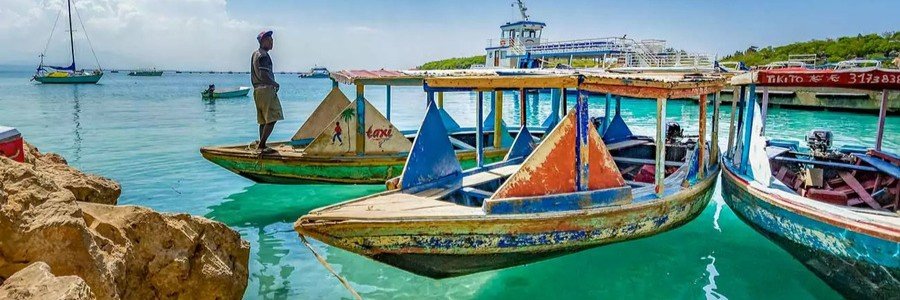
Tap-taps are brightly painted trucks, vans, or buses that follow local routes. They are inexpensive and offer a glimpse of daily life, but routes are rarely marked and vehicles can become crowded. This option works best for short trips with help from someone who knows the route. Crowded vehicles are less practical when carrying luggage or following a strict schedule.
Intercity Buses
Private bus companies connect some larger cities. Vehicles and comfort levels vary, while schedules may change without much notice. Purchase tickets through the company or a trusted local contact. Confirm the departure point because terminals may not be clearly marked. Allow extra time for traffic and stops along the route.
Domestic Flights
Small airlines have operated routes between Port-au-Prince, Cap-Haïtien, Les Cayes, and other regional airports. Flights can reduce a long road journey to a short trip. Routes and schedules change often, and service may stop because of weather or local conditions. Confirm the flight directly with the airline and keep enough time for a backup plan.
Rental Cars
Driving is on the right side of the road. However, mountain curves, deep potholes, limited signs, heavy traffic, and poor lighting can make self-driving difficult. Most visitors will be more comfortable hiring a driver. If you rent a vehicle, choose one with good ground clearance. Check the tires, spare, brakes, insurance, and fuel level before leaving.
Boats and Island Transfers
Boats provide access to Île-à-Vache, Île-à-Rat, La Gonâve, and remote beaches. Some crossings use small local boats rather than scheduled ferries. Arrange the ride through a hotel, tour company, or known captain. Confirm the pickup point, return time, life jackets, weather, and total price. Avoid crossing when the sea is rough or after dark.
Allow More Travel Time
Do not plan several distant stops on the same day. A route that looks short may involve steep roads, traffic, river crossings, or long delays. Leave early and try to reach your destination before dark. Carry water, small bills, a charged phone, and an offline map. Your hotel or driver should also know where you are going and when you expect to return.
Essential Tips for Visiting Haiti
These tips are intended for future travel, once official guidance says a visit can be made safely. Conditions can change fast, so check current entry rules, flight schedules, and road access before booking.
Check Official Travel Updates
Read the latest government advisory before making any plans. Confirm that your hotel, airport, driver, and planned attractions are open. Flexible flights and refundable rooms offer extra protection if conditions change.
Arrange Transportation in Advance
Book airport transfers and longer drives through your hotel or a trusted tour company. Save the driver’s name and phone number before leaving. Road conditions vary, and travel after dark should be avoided.
Prepare for Health Risks
Visit a travel clinic several weeks before departure. The CDC recommends malaria medicine for visitors to all parts of the country, including Labadee. Ask which vaccines and medicine are right for your trip. CDC Haiti Traveler View
Use mosquito repellent, wear long sleeves when needed, and sleep beneath a mosquito net where rooms are not screened. Drink sealed bottled or treated water. Avoid ice unless you know it was made with safe water.
Carry Cash in Small Bills
The Haitian gourde is the official currency. Some hotels, tour companies, and restaurants may also accept U.S. dollars. However, exchange rates can vary. Cards and ATMs may not work outside larger towns, so carry small bills and keep your money in more than one place.
Buy Strong Travel Insurance
Medical care and emergency transport may be limited. Choose a policy that covers medical treatment, evacuation, trip delays, and cancellations. Read the exclusions carefully because some policies do not cover destinations under a high-level travel warning.
Stay Connected
Download offline maps and save key phone numbers before leaving home. Carry a power bank because power and mobile service can be unreliable. Keep a paper copy of your hotel address, driver’s number, insurance details, and passport information.
Pack for the Conditions
Bring light clothing, sturdy walking shoes, water shoes, sunscreen, insect repellent, and a rain jacket. Keep prescription medicine in its original container. A small first-aid kit is also useful when visiting remote beaches, caves, waterfalls, or mountain areas.
Respect Local Customs
Haitian Creole is spoken throughout the country, while French is also widely used. Simple words such as bonjou for hello and mèsi for thank you are appreciated. Ask before photographing people, homes, markets, or religious ceremonies. Dress with care when entering churches, memorials, and historic sites.
Discover a Different Side of the Caribbean
Haiti offers far more than beautiful beaches. The Citadelle tells the story of a hard-won freedom, while Jacmel’s art and old streets reveal the country’s creative spirit. Mountain trails, blue waterfalls, Creole food, and lively kompa music add even more depth to the experience.
When safe travel becomes possible, take time to look beyond a single resort or city. Explore with trusted local guides, support independent businesses, and learn about the people behind each place. A thoughtful trip can reveal one of the Caribbean’s richest cultures and most striking landscapes.
Frequently Asked Questions
Is Haiti safe to visit right now?
No. As of July 22, 2026, the U.S. State Department lists the country at Level 4: Do Not Travel. Conditions can change, so always read the current advisory before booking flights, hotels, or tours.
What is Haiti best known for?
The country is known for the Haitian Revolution, the Citadelle Laferrière, vibrant art, kompa music, Creole food, and dramatic mountain scenery. It also became the world’s first Black republic in 1804.
When is the best time to visit?
December through March usually brings lower humidity, less rain, and pleasant weather for beaches and outdoor trips. April and May can also work well, although showers become more common. Hurricane season runs from June through November.
Does Haiti have good beaches?
Yes. The coastline includes white sand, clear Caribbean water, coral reefs, and quiet coves. Popular choices include Kokoye Beach, Gelee Beach, Cormier Plage, Île-à-Rat, and the beaches along the Côte des Arcadins.
What languages are spoken?
Haitian Creole and French are the country’s official languages. Creole is spoken by nearly everyone, while French is common in government, education, hotels, and some businesses.
What currency is used?
The Haitian gourde is the official currency. Some hotels, tour companies, and restaurants may accept U.S. dollars. Carry small bills because cards and ATMs may not be reliable in every area.
What food should you try?
Begin with griot and pikliz, then try soup joumou, diri ak djon djon, tassot kabrit, and lambi Creole. Popular drinks include Barbancourt rum, clairin, kremas, akasan, and Prestige beer.
How do visitors get around?
Private drivers and hotel transfers are the easiest choices for most travelers. Tap-taps and buses cost less, but routes may be unclear and schedules can change. Domestic flights may save time between distant regions when services are operating.
How many days do you need?
Allow at least five to seven days for one region. A trip that includes Cap-Haïtien, Jacmel, and the capital would need ten days or more. Roads and travel times can be unpredictable, so avoid placing too many stops into one itinerary.
Can anyone visit Labadee?
Labadee is a private cruise destination used by Royal Caribbean. Access normally depends on arriving aboard an approved cruise ship. Sailings are currently suspended through June 2027, so check the cruise line’s latest schedule before making plans.




Haiti has been on my travel wish list because I would love to see Citadelle Laferrière, Sans-Souci Palace, Bassin Bleu, and some of the northern beaches. However, I keep seeing serious government travel warnings, especially for Port-au-Prince and the main roads. Is Cap-Haïtien currently a safer alternative for an independent trip, or would you recommend postponing the entire visit? I have also seen cruises advertise Labadee, but I’m unsure whether visiting a controlled cruise destination is comparable to traveling elsewhere in the country.
I would postpone an independent visit for now, including a trip based in Cap-Haïtien. The security crisis is most severe in and around Port-au-Prince, but the official warning applies to the entire country. Road travel can be unpredictable, emergency services have limited resources, and disruptions may affect flights, fuel, healthcare, and transportation with little notice.
As of July 2026, the U.S. Department of State lists Haiti at Level 4: Do Not Travel because of kidnapping, crime, civil unrest, poor healthcare infrastructure, and other security threats. Canada and the United Kingdom also advise against all travel. U.S. travel advisories, Government of Canada, UK travel advice
A cruise call at Labadee is different from independent travel because passengers remain within a controlled resort area and follow transportation and security arrangements set by the cruise company. However, cruise schedules and port calls can change quickly. Travelers should confirm directly with the cruise line and follow its instructions rather than planning separate transportation outside the designated area.
The country’s beaches, history, food, and culture deserve thoughtful coverage, but this guide should not currently present Haiti as a routine beach vacation. I will update it as conditions change and would recommend waiting until official advisories improve and dependable tourism services resume.
I would love to visit the Citadelle and Sans-Souci Palace someday, and our cruise itinerary currently lists Labadee. I was considering adding several independent nights afterward to see Cap-Haïtien and more of the northern coast. Is that realistic at present, or is visiting the cruise area completely different from planning a trip through the country?
A cruise call at Labadee is very different from independent travel elsewhere in Haiti. Labadee is a controlled destination managed for cruise passengers, and scheduled calls may still be changed or canceled when security conditions warrant. If your ship stops there, confirm the itinerary shortly before departure, follow the cruise line’s instructions, and use activities arranged through the ship.
I would not add an independent stay at present. Current government guidance advises against travel because of gang violence, kidnapping, civil unrest, limited emergency response, and serious transportation disruptions. Those risks can also affect routes outside Port-au-Prince and make reaching historic sites unpredictable.
The Citadelle and Sans-Souci Palace are extraordinarily important places, but they deserve to be visited when transportation, local support, and emergency planning are dependable. I would save that portion of the trip for a future date, monitor official travel advisories, and avoid making nonrefundable arrangements while the Level 4 warning remains in effect.
Haiti truly feels like a destination with depth and soul. The mix of powerful history, dramatic mountain landscapes, and beaches like Kokoye and Île-à-Rat makes it stand out from other Caribbean spots. I also love that you highlighted Citadelle Laferrière and Sans-Souci Palace near Cap-Haïtien. They add such a strong cultural layer beyond the coastline. The festivals, music, and local food scene make it sound vibrant rather than just scenic. For someone visiting for the first time, would you suggest staying near Cap-Haïtien to explore the historic sites, or closer to Port-au-Prince for beaches and nightlife?
For a first visit, I would lean toward Cap-Haïtien. The area gives you access to both Citadelle Laferrière and Sans-Souci Palace, which are two of Haiti’s most powerful landmarks. The beaches nearby also feel scenic and less hectic, which makes it easier to settle in and explore at a comfortable pace. Port-au-Prince offers energy and nightlife, but Cap-Haïtien balances history, coastline, and culture in a way that feels more immersive. It provides a strong introduction to Haiti’s landscape and heritage without feeling overwhelming.